
Hall effect คือ ค่าความต่างศักย์ ( Voltage difference ) ( Hall Voltage ) ระหว่างสองฝั่งของตัวนำทางไฟฟ้า ( Electrical Conductor ) ที่กระแสไฟฟ้าวิ่งผ่าน โดยในขณะที่กระแสไฟฟ้าวิ่งผ่าน จะมีสนามแม่เหล็กตั้งฉากกับกระแสไฟฟ้า โดยปรากฎการณ์นี้ค้นพบโดย Edwin Hall ในปี คศ. 1879
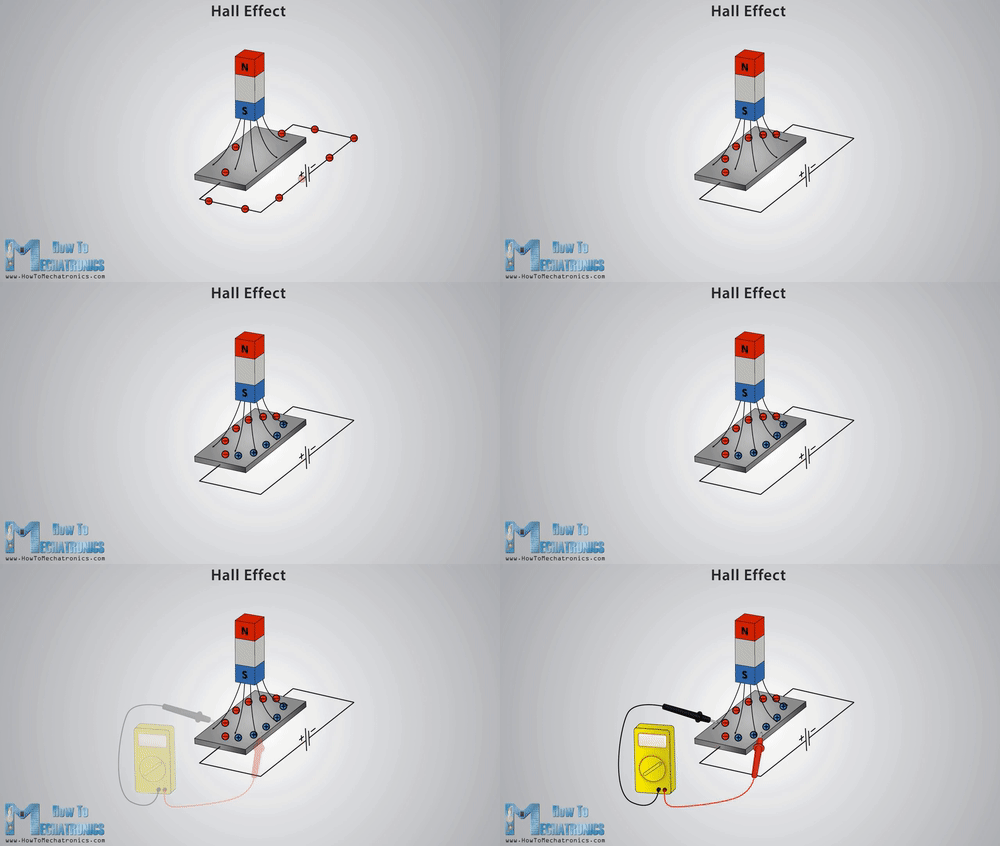
ภาพจาก https://howtomechatronics.com/
หลักการทำงานของ YF-S201 มีหลักการทำงานดังต่อไปนี้
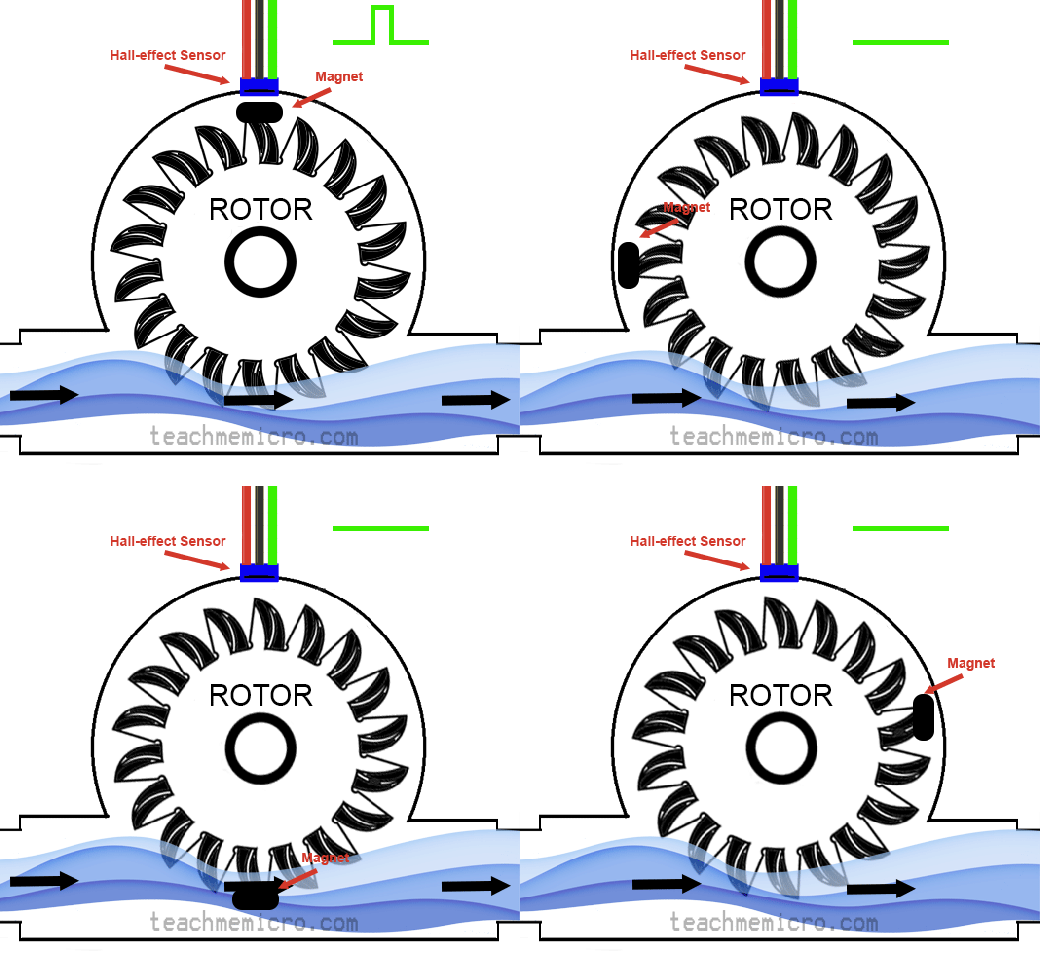
เมื่อ rotor หมุน ด้วยจำนวนรอบต่อนาที ( RPM , rounds per minute ) แปรผันตรงกับความเร็วของการไหลของน้ำ เมื่อ rotate หมุนก็จะเกิด pulse wave ขึ้น โดยความถี่ของ pulse wave แปรผันตรงกับความเร็วของการไหลของน้ำ
ตัวอย่างวงจรของการใช้ Hall Effect Sensor กับ Arduino
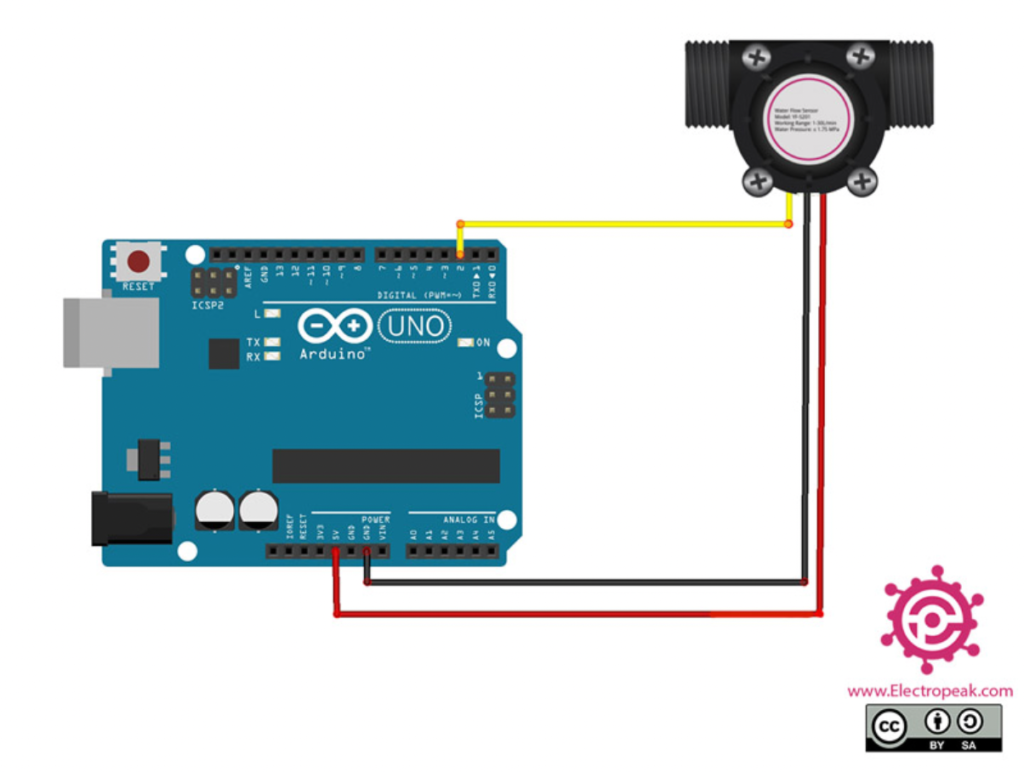
Project นี้สามารถนำไปใช้ในการตรวจสอบการไหลของน้ำ ในสวน/ไร่ ได้ หากน้ำในท่อส่งน้ำไหลน้อยกว่าที่กำหนด ระบบจะแจ้งเตือนไปยังคนดูแลสวน ให้รีบไปตรวจสอบว่าเกิดสิ่งผิดปกติกับท่อส่งน้ำหรือไม่
Latest Posts
- Will I Make It to the Next Charger? An Idea for an EV Road-Trip Planner Built for Thai Roads, and Why We Want Your Feedback First October 6, 2026
- Car Tax, พ.ร.บ., ID Card, Passport: An Idea for One App That Remembers Every Renewal, and Why We Want Your Feedback First October 5, 2026
- Is Mum OK Today? An Idea for a Daily Check-in App for Ageing Parents, and Why We Want Your Feedback Before We Build It October 5, 2026
- Building a CoT Bridge: How to Get NVR, AIS and Drone Feeds onto a TAK Map Without Flooding It October 1, 2026
- Inside simpliSSO: What a 12-Module Identity Rollout Actually Delivers, from Azure AD Federation to the Last Legacy ERP October 1, 2026
- Can an LLM Predict a Flood? What AI Actually Does in Flood Forecasting, and Where Drones and Gauge Cameras Fit September 27, 2026